Artificial Intelligence Generated Images
Welcome the future of
Artificial Intelligence Generated Images.
By: Charles Dohs
Founder | Marketers Garage
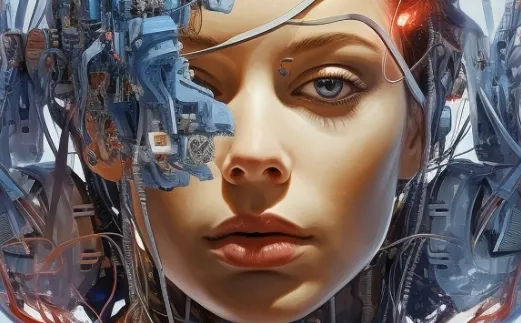
"I all seems so ominous doesn't it? All the news surrounding the evils of AI generated content, deep fake videos being used for nefarious reasons, voice clones and the like but keep reading because I'm about to blow you away with how this tech can be used to efficiently grow your business ethically and at hyper-speed. No joke! Those getting ready now are about to make some serious money in the few years riding the AI Gold Rush and I'm about to show you
How Artificial Intelligence Generated Images are revolutionizing the creative world"
~ Charles Dohs
UPDATE for my Fellow Marketing Mechanics: I broke up this page in gray and white backgrounds for your convenience. Everything in GRAY pertains to the tool and the offer while everything with a WHITE background is content for SEO (also generated by Shine Ranker). I'll be updating this page as with a SEO results video shortly.
It took me less than 3 minutes to research a viral topic, find the lowest competition keyword, and create this video ready for syndication to any and all social media platforms.
Watch this video 👉
I am losing my mind with this! If you are a content creator, online marketer, influencer, agency owner, affiliate marketer, or just want to make some side hustle money running video creation gigs... this right here... This is the tool you have been waiting for.
Now, watch this videos where I show you real-time how I used this tool to do exactly what I just did in less than 3 minutes.
I pulled an idea "out of thin air"
The tool found trending topics around that idea.
The tool provided me over 600 relevant keywords for the trending topics around my original idea.
The tool then RANKED those keywords by traffic and competition (difficulty to rank)
Then... wait for it.... I used the SAME TOOL to take that super relevant low competition keyword and them made the video above!
Seriously... what are you waiting for? The 14-day trial is $1!
The price is going up but you can still get it during this trial offer for $1. If you sign up (which IDK why you wouldn't... it's a DOLLAR) I will send you a FREE Training on how I used the SAME TOOL to rank this page on page of Google in 1-DAY!
The future is now. Read all about how Artificial Intelligence Generated Images here to stay and how they are changing everything.
Table of Contents
1. Introduction
2. What are Artificial Intelligence Generated Images?
3. How Does AI Generate Images?
4. Applications of AI-Generated Images
▪️ Digital Art and Creativity
▪️ Gaming and Virtual Worlds
▪️ Image Enhancement and Restoration
▪️ Design and Marketing
5. Advantages and Disadvantages of AI-Generated Images
▪️ Advantages
▪️Time Efficiency
▪️Cost-Effectiveness
▪️Endless Creativity
▪️Disadvantages
▪️Lack of Originality
▪️Ethical Concerns
▪️Potential Misuse
6. The Future of AI-Generated Images
7. Conclusion
8. FAQs
Introduction
Artificial Intelligence (AI) has revolutionized numerous industries, and one of its fascinating applications is the generation of images. AI-generated images are computer-generated visuals that are crafted using advanced algorithms and machine learning techniques. In this article, we'll explore the world of AI-generated images, how they are created, their applications, and the potential impact on various sectors.
The rise of artificial intelligence has drastically changed the way we interact with images. AI-generated images allow us to enhance and customize photographs in ways that were previously impossible. Through deep learning techniques, AI can generate realistic images from scratch or modify existing photos to create an entirely new look.
AI-generated images are versatile tools used for everything from creating visuals for marketing campaigns to designing virtual backgrounds for Zoom meetings. With its increasing sophistication, it is clear that artificial intelligence will continue to revolutionize how we work with photography in the years ahead.
As technology advances, the use of Artificial Intelligence (AI) to generate images has become increasingly popular. AI-generated images are becoming more and more common in a variety of fields including advertising, art, design, and entertainment. AI-generated images can be used for a number of purposes such as creating realistic backgrounds or adding depth to existing visuals. By using algorithms to create digital "paintings" based on data from real life photos or video footage, these computer generated pictures can often look just like traditional artwork created by an artist.
The best part is that these free AI-generated images are usually completely copyright free! This means anyone can use them without worrying about any legal issues related to copyright infringement. With this in mind, it's easy to see why so many people are taking advantage of the benefits that come with utilizing AI-created visuals for their project needs.
What are Artificial Intelligence Generated Images?
The rise of AI has brought forth a new era of creativity and innovation in image generation. Traditional methods of image creation are often time-consuming and require skilled artists. However, with AI, images can now be generated efficiently and automatically, catering to a wide range of needs.
AI-generated images refer to pictures or visuals that are created entirely by artificial intelligence algorithms. These algorithms are trained on vast datasets of existing images, allowing them to learn patterns, styles, and artistic elements. The AI model can then produce new and original images based on this knowledge.
Artificial Intelligence (AI) has revolutionized the way we generate images. AI technologies can create stunning visuals from scratch without requiring a human artist, allowing for infinite possibilities when it comes to image generation. This is made possible by using algorithms that are trained on large datasets of existing images and then applied to new data sources, such as photos or videos.
Using AI-generated imagery allows us to explore how computer vision can be used in creative ways to produce unique and captivating content. With this technology, designers are able to experiment with different styles and techniques while also being able to quickly generate high-quality visuals at scale.
Artificial Intelligence generated images have quickly become an important tool for creatives in the digital age, so expect more amazing things from this technology in the future!
How Does AI Generate Images?
The process of AI image generation involves several steps. Firstly, the AI model is trained on large datasets of images, which could include photographs, artwork, and graphics. During this training phase, the model learns to recognize patterns and understand different styles.
After the training, the AI model uses a variety of techniques like Generative Adversarial Networks (GANs) or Variational Autoencoders (VAEs) to produce new images. GANs, for example, consist of two neural networks: a generator and a discriminator. The generator creates new images, while the discriminator assesses whether the images are real or AI-generated. Through continuous iterations, the generator improves its output, resulting in more realistic and impressive images.
Image generators powered by Artificial Intelligence are changing the way we think about creating and manipulating images. By utilizing deep learning algorithms, these AI-driven image generators can produce high quality images with little to no human intervention.
With artificial intelligence technology, it is now possible to generate realistic photos of anything from people to objects, scenery and even abstract art pieces. This technology also allows for more creativity in design as users have access to an endless array of colors and textures that can be used together or separately. In addition, AI-generated images are often much faster than traditional methods since they only require minimal input from the user before producing a finished product.
These advances in image generation make it easier than ever for creative professionals to quickly create stunning visuals that engage their audiences without spending too much time on tedious tasks like photo editing or retouching.
The development of artificial intelligence has enabled the diffusion of stable images that are generated from a range of different sources. This is particularly valuable for applications in which the quality and accuracy of images needs to be consistently maintained over time. As such, this technology can help create accurate models which can then be used in many areas such as medical imaging or facial recognition systems. In addition, it allows for greater control over how an image evolves with each iteration, thus allowing more precise manipulation and editing without compromising on the quality or accuracy.
The potential benefits are immense and could lead to huge advances in many fields where accurate visuals are essential.
Applications of AI-Generated Images
AI-generated images find applications in various fields, revolutionizing the way visuals are created and used.
The advancement of Artificial Intelligence (AI) has enabled the generation of extremely detailed images. AI-generated images are created by algorithms that can take a set of parameters and generate an image accordingly. These parameters may include colors, shapes, sizes, textures, and other elements to create a unique image. For example, an AI algorithm can be used to generate a realistic landscape scene with various elements such as trees, mountains, clouds or even people.
The level of detail in these generated images is incredible; they look like photographs taken from real life locations but without any human intervention. This technology has opened up many possibilities for digital artists who now have access to high quality imagery that would otherwise be impossible to produce manually. It also offers new opportunities for machine learning research since AI-generated images provide data points which can be used to train neural networks and develop more accurate models for computer vision tasks.
Halfway through the journey of Artificial Intelligence Generated Images, it is clear that this technology is revolutionizing the way visual media is created.
AI-generated images are becoming increasingly realistic and detailed, allowing them to be used for a variety of applications such as video games, virtual reality experiences, movies, and more. These images are now capable of being generated in seconds - something that would have taken hours or days with traditional methods.
As AI technology continues to develop and become even more advanced, we can expect these types of images to become even more lifelike and intricate in their design. It will be exciting to see how this technology impacts our lives in the future!
- Digital Art and Creativity
AI has opened up new possibilities for digital artists. Artists can now collaborate with AI algorithms to create unique and captivating artworks, blending human creativity with machine-generated elements.
- Gaming and Virtual Worlds
In the gaming industry, AI-generated images play a crucial role in designing virtual worlds, characters, and environments. This enhances the overall gaming experience, making it more immersive and engaging.
- Image Enhancement and Restoration
AI algorithms can restore old and damaged images by filling in missing details and enhancing the overall quality. This application finds use in historical preservation and photo editing.
- Design and Marketing
In the design and marketing sectors, AI-generated images streamline the process of creating graphics for advertisements, websites, and social media. This helps businesses save time and resources while maintaining a visually appealing presence.
Advantages and Disadvantages of AI-Generated Images
- Advantages of AI-Generated Images
- Time Efficiency
AI-generated images can be produced in a fraction of the time it would take a human artist. This allows for rapid content creation and iteration.
- Cost Effectiveness
As AI can generate images at a faster rate, businesses can save costs on hiring artists for every project.
- Endless Creativity
AI algorithms can generate an infinite number of images with various styles, providing a vast array of options for designers and creators.
- Disadvantages of AI-Generated Images
- Lack of Originality
AI-generated images are based on patterns learned from existing data, which may lead to images that lack true originality and uniqueness.
- Ethical Concerns
AI-generated images raise ethical concerns, especially when it comes to copyright and ownership issues.
- Potential Misuse
AI-generated images could be misused for creating deepfakes or spreading misinformation, raising concerns about authenticity and trust.
The Future of AI-Generated Images
The future of AI-generated images is undoubtedly promising. As AI algorithms continue to advance, we can expect even more realistic, diverse, and imaginative visuals. However, ethical guidelines and regulations will play a vital role in harnessing the full potential of this technology while addressing potential challenges.
Can We No Longer Believe Anything We See? This was a question asked by authors Tiffany Hsu and Steven Lee Myers of the New York Times. They cited some serious questions that fall inline with this context.
Artificial Intelligence Generated Images has become increasingly popular in recent years. AI-generated images are created using algorithms and deep learning techniques, allowing for more realistic and complex visuals to be generated quickly.
These images can take on a variety of forms, from abstract art to photorealistic landscapes or even fully animated 3D scenes. They are used in numerous fields including marketing, game development, virtual reality experiences, and much more.
AI-generated images have the potential to revolutionize how we create digital content by providing an easier way to generate visually stunning results with minimal effort. The possibilities for what could be achieved with this technology seem almost limitless!
The use of models in Artificial Intelligence systems has become increasingly important as technology continues to develop. Models are used to create and manipulate images, process data, and provide insights into complex relationships.
As AI capabilities advance, so does the sophistication of the models that power them. Today's AI-generated images have come a long way from simple line drawings or computer generated graphics; they now feature detailed textures, realistic lighting effects, and complex objects rendered with stunning accuracy.
These models allow for more accurate estimations of real-world behavior which can be used to train an AI system or drive decision making processes within it. Furthermore, advances in deep learning algorithms have enabled machines to learn from large datasets and generate high quality imagery on their own without requiring manual input from humans.
Models thus play a key role in modern Artificial Intelligence applications by providing powerful tools for understanding and manipulating digital information efficiently at scale.
The advancements of Artificial Intelligence (AI) have opened up a world of possibilities for creating computer generated images. AI powered image generation has allowed us to create more realistic and detailed visuals than ever before, from facial recognition algorithms to virtual environments.
AI can analyze an image's features in order to generate new ones that are tailored specifically for the user's needs. For example, an artist could use AI-generated images as a starting point for their own artwork; or medical professionals could utilize AI-generated imagery to better diagnose diseases.
With continued development, we may even see entire photo libraries created using only artificial intelligence tools in the near future!
7. Conclusion
AI-generated images have emerged as a game-changer in the world of creativity and image production. With their time efficiency, cost-effectiveness, and endless possibilities, they have found applications in diverse industries.
Embracing this technology while being mindful of its limitations and ethical considerations will shape a future where AI-generated images coexist harmoniously with human creativity. The advancements of Artificial Intelligence (AI) have opened up a world of possibilities for creating computer generated images.
AI powered image generation has allowed us to create more realistic and detailed visuals than ever before, from facial recognition algorithms to virtual environments. AI can analyze an image's features in order to generate new ones that are tailored specifically for the user's needs.
For example, an artist could use AI-generated images as a starting point for their own artwork; or medical professionals could utilize AI-generated imagery to better diagnose diseases.
With continued development, we may even see entire photo libraries created using only artificial intelligence tools in the very near future!
Conclusion
AI-generated images have emerged as a game-changer in the world of creativity and image production. With their time efficiency, cost-effectiveness, and endless possibilities, they have found applications in diverse industries.
Embracing this technology while being mindful of its limitations and ethical considerations will shape a future where AI-generated images coexist harmoniously with human creativity. The advancements of Artificial Intelligence (AI) have opened up a world of possibilities for creating computer generated images.
AI powered image generation has allowed us to create more realistic and detailed visuals than ever before, from facial recognition algorithms to virtual environments. AI can analyze an image's features in order to generate new ones that are tailored specifically for the user's needs.
For example, an artist could use AI-generated images as a starting point for their own artwork; or medical professionals could utilize AI-generated imagery to better diagnose diseases.
With continued development, we may even see entire photo libraries created using only artificial intelligence tools in the very near future!
FAQs
Are AI-generated images completely original?
AI-generated images are based on existing data, which means they draw inspiration from existing images. While they may not be entirely original, they can still offer unique variations and combinations.

Can AI-generated images replace human artists?
AI-generated images are a powerful tool for artists, but they cannot replace human creativity and emotional expression. Instead, they serve as a valuable asset, enhancing artistic processes.
How can businesses benefit from using AI-generated images?
Businesses can benefit from AI-generated images by saving time and resources on content creation, enabling faster marketing campaigns, and enhancing visual appeal.
Are there any copyright concerns with AI-generated images?
Yes, there are copyright concerns with AI-generated images, as they raise questions about ownership and originality. Proper attribution and adherence to copyright laws are essential.
Can AI-generated images be used in the medical field?
Yes, AI-generated images find applications in the medical field, assisting in medical imaging, diagnostics, and research, leading to better patient outcomes.
Like, subscribe, and follow us on all these social media channels.